selfmaking: layers of becoming with
3d printed sandstone, 4-minute audio loop
2019
Selfmaking is a 3d printed sandstone sculpture of a hybrid character, created by fusing two powerful and historically influential figures; Alexander III of Macedon, and Pericles of ancient Greek. The digital models used to form this piece were obtained from the British Museum’s archives, where the physical sculptures live today after being displaced from their original locations in Athens.
The piece acts as a signifier without an excessive concern for realism, focusing on how creation, circulation and preservation of cultural information underlies geographical contexts, patterns of displacement, and statelessness. It reflects on how individual narrative and collective memory are shaped through cultural property, cultural currency, and their inherent symbolic meanings.
Using two significant identities as a metaphor with an ‘enough’ visual legitimacy and an aura of authenticity, Selfmaking manifests a self-portrait that no longer shows a self, but instead, different representations derived from cultural code — an infinite creation of hybridity everywhere, all the time. The piece proposes a reflection on transcendence of the body into digital space and how that alters the role of identity within shifting environments and localities.
This post-digital-historical artifact can be understood as a display of plurality, representation of new origins emerging from their archival ancestors, and an optimistic re-evaluation of future archaeological remains. Sandstone, a delicate and fragile material, was chosen as the substrate for this 3d printed object, to emphasize the ephemerality, mutability and temporality. In addition, a two-channel audio was created as a guide, by feeding the official descriptions for the original objects from the British Museum into OpenAI’s language model called GPT-2. This artificial intelligence generated audio guide allows the piece to state its presence in an augmented way that intensifies its unrealness and makes a further commentary on creating a counter narrative for future material objects of culture.
—
Selfmaking:
layers of becoming with
3 boyut baskılı kumtaşı, 4 dakikalık ses loop
2019
Selfmaking: layers of becoming with, orijinal yerleri olan Atina’dan Londra British Museum'a götürülmüş Büyük İskender ve Perikles heykellerinin üç boyutlu dijital modellerinin birleştirilmesiyle oluşturulan hibrit bir karakterin, üç boyutlu yazıcı ile kum taşından üretilmiş heykeli. Kültürel objelerin tarihsel süreçte değişen anlamları ve bunların güncel zamanla kurduğu ilişkiyi inceleyen eser, el değiştirerek orijinal bağlamlarını kaybetmiş bu iki mermer heykelin, yeni yerleri Londra’da kurduğu yeni bağlamı araştırıyor.
Üç boyutlu baskı yöntemi ile üretilmiş bu nesne için, geçiciliği, değişkenliği ve zamansallığı vurgulamak için hassas ve kırılgan bir malzeme olan kumtaşı seçildi. British Museum’daki orijinal nesnelerin sesli rehberlerinde kullanılan metinler de GPT-2 yapay zeka dil modeline beslenerek yeni bir rehber metni ve bunun iki kanallı bir sesli rehberi oluşturuldu. Yapay zeka tarafından oluşturulan bu yeni sesli rehber, parçanın seçilmiş sahteliğini bir kez daha vurgularken, eserin gelecekteki kültür nesneleri için bir karşı-anlatı yaratmasının yolunu açmayı amaçlıyor.

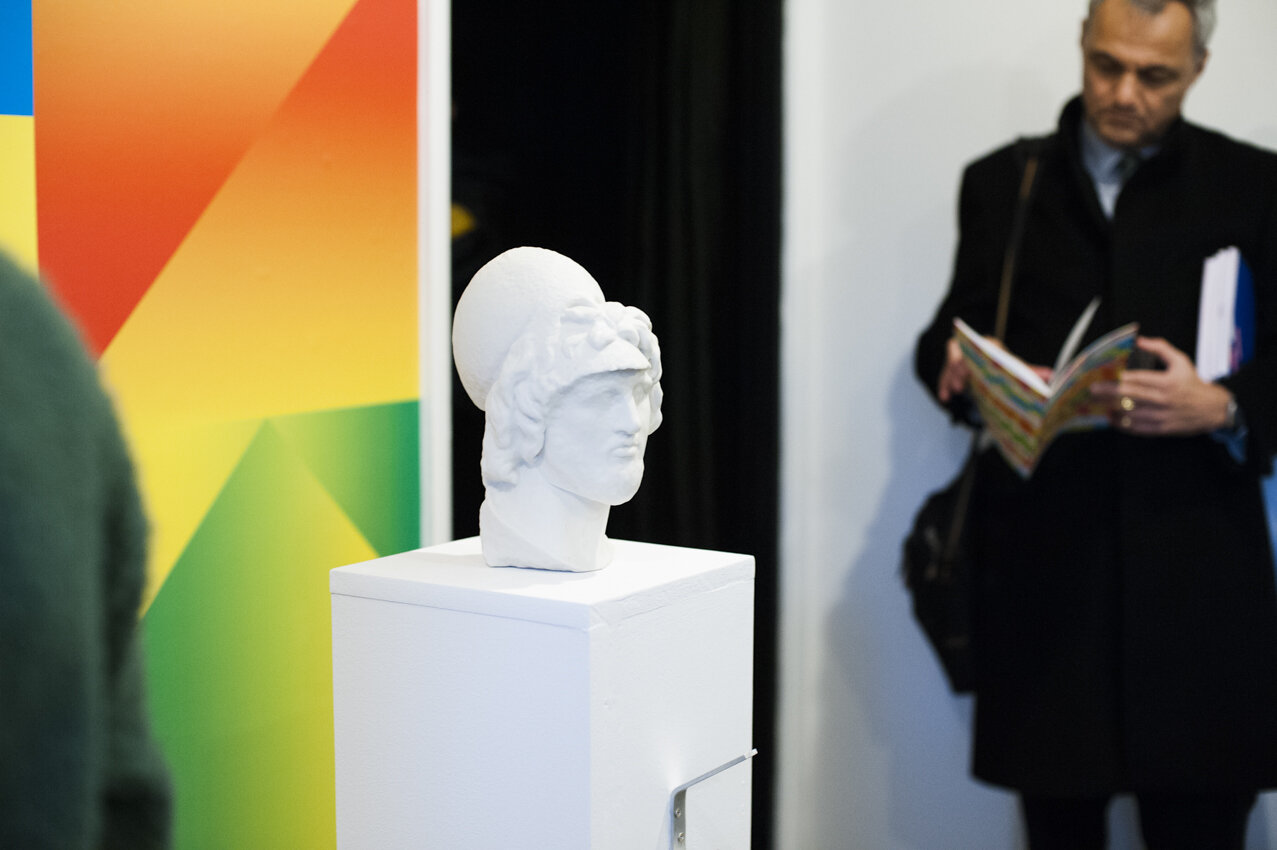
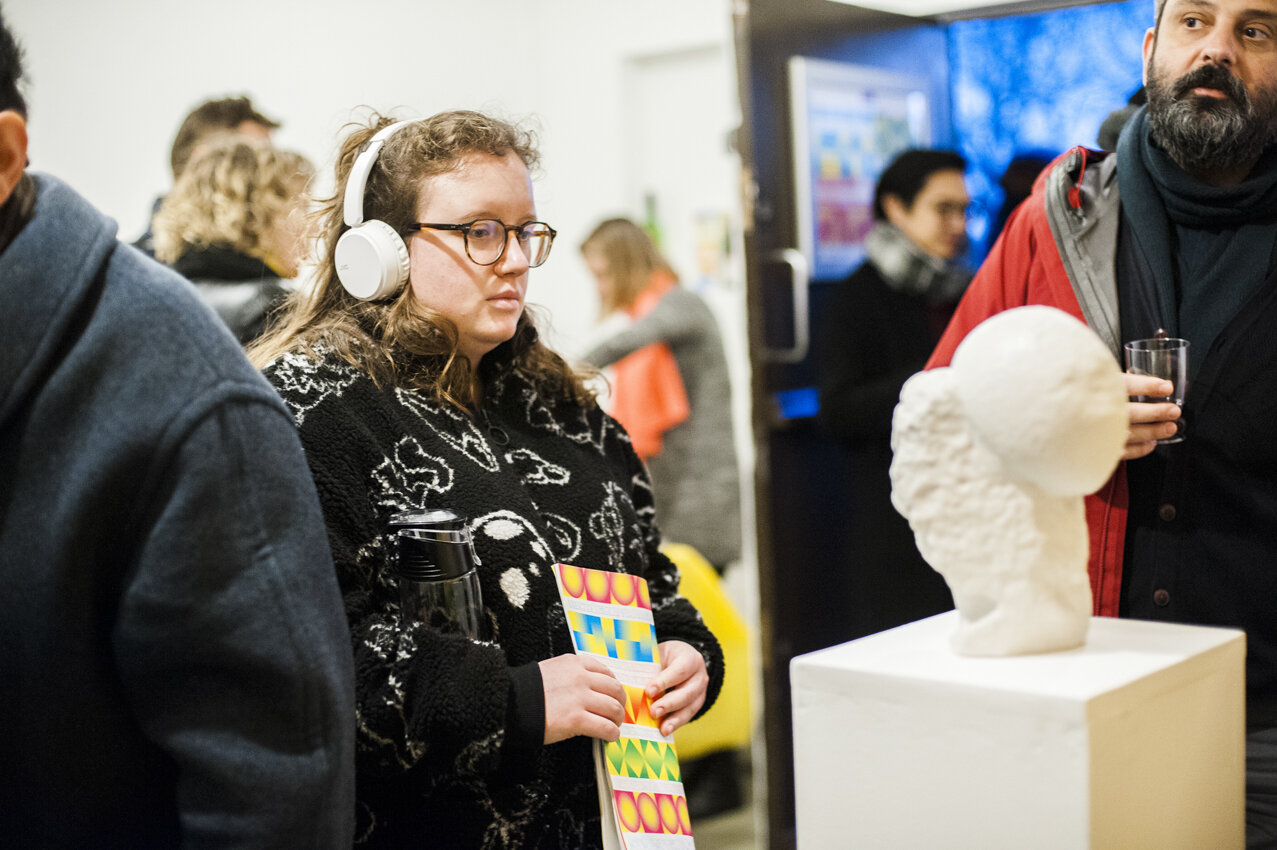
Installation view, photos by Julia Szalewicz, Furtherfield Gallery, London, 2020
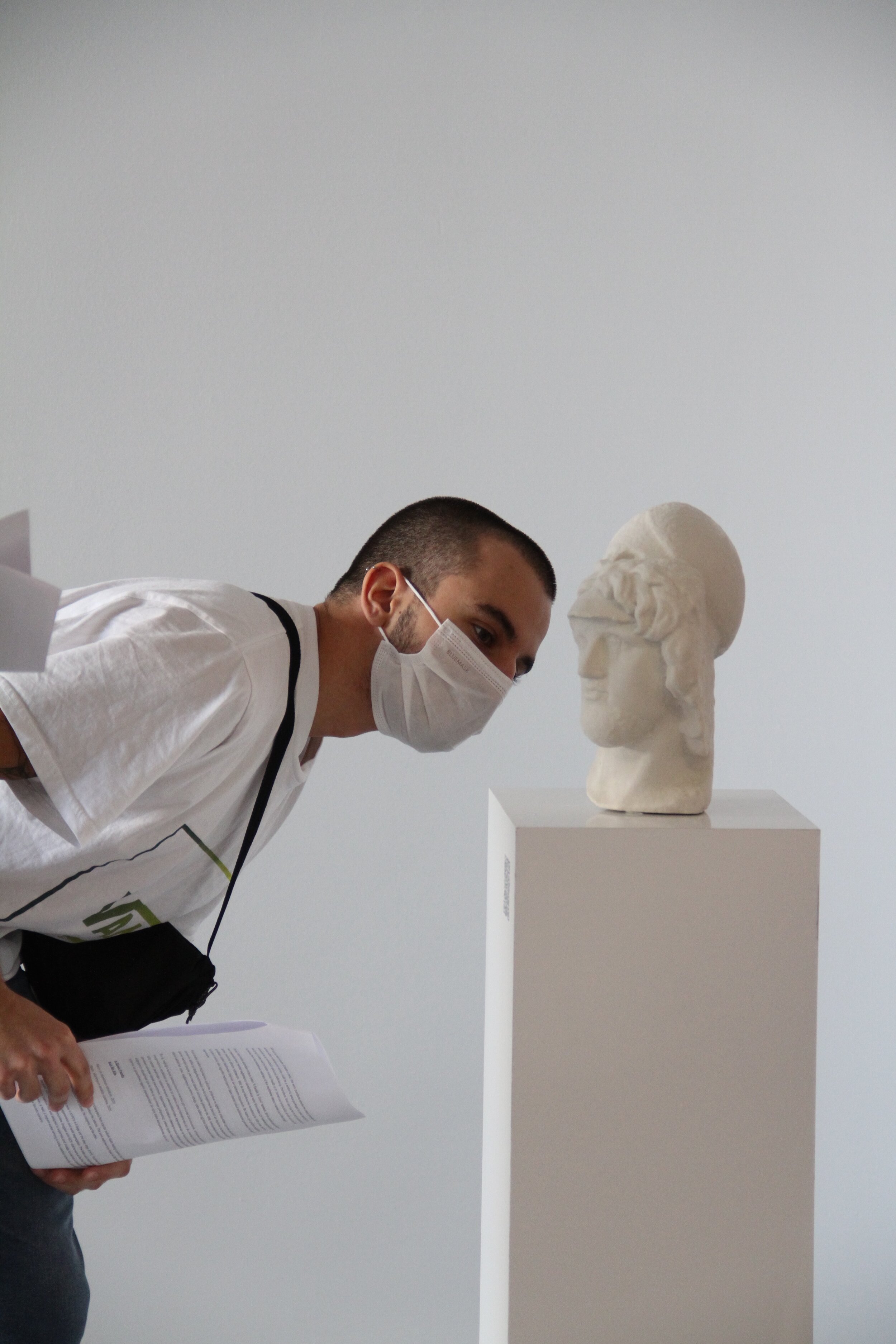
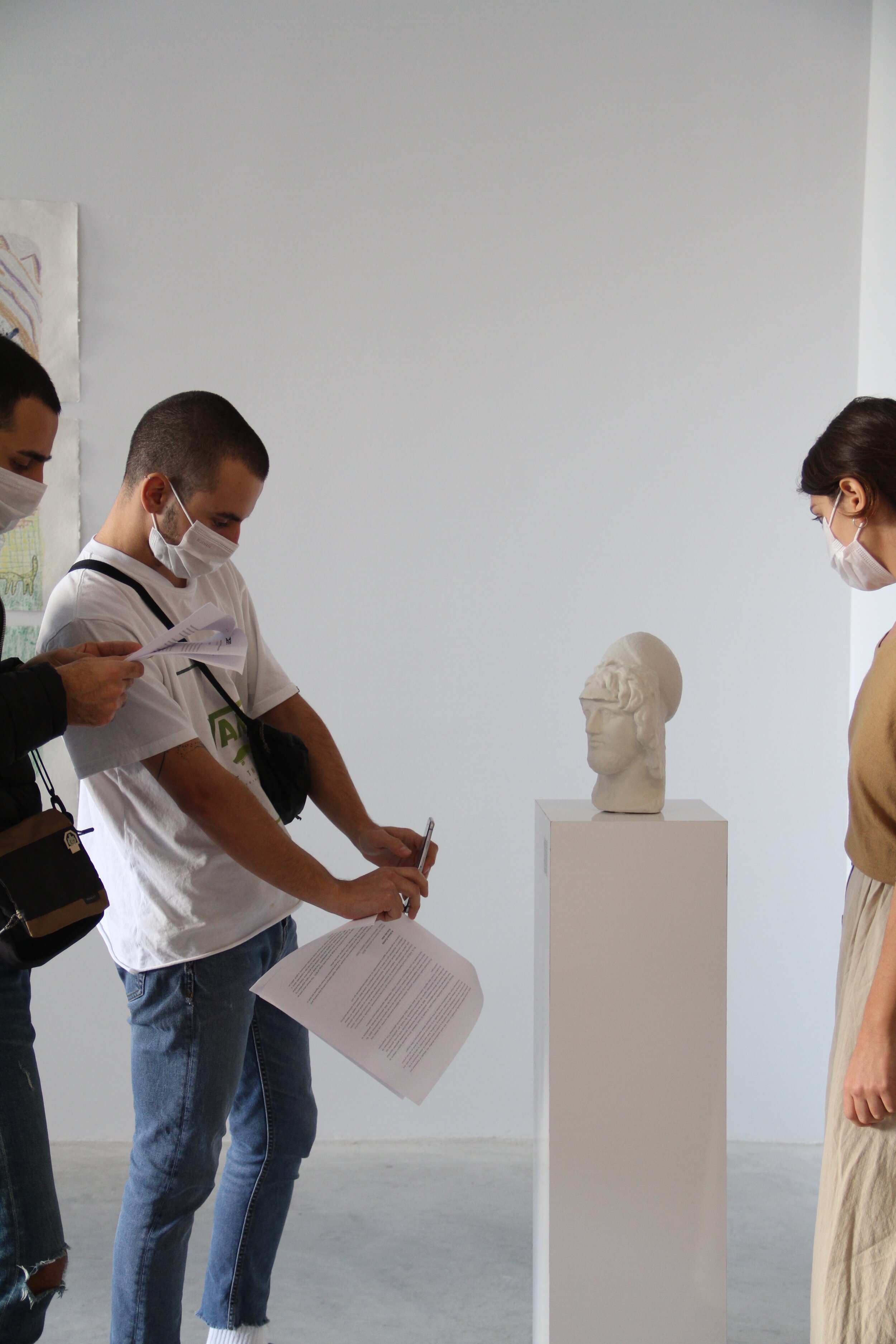
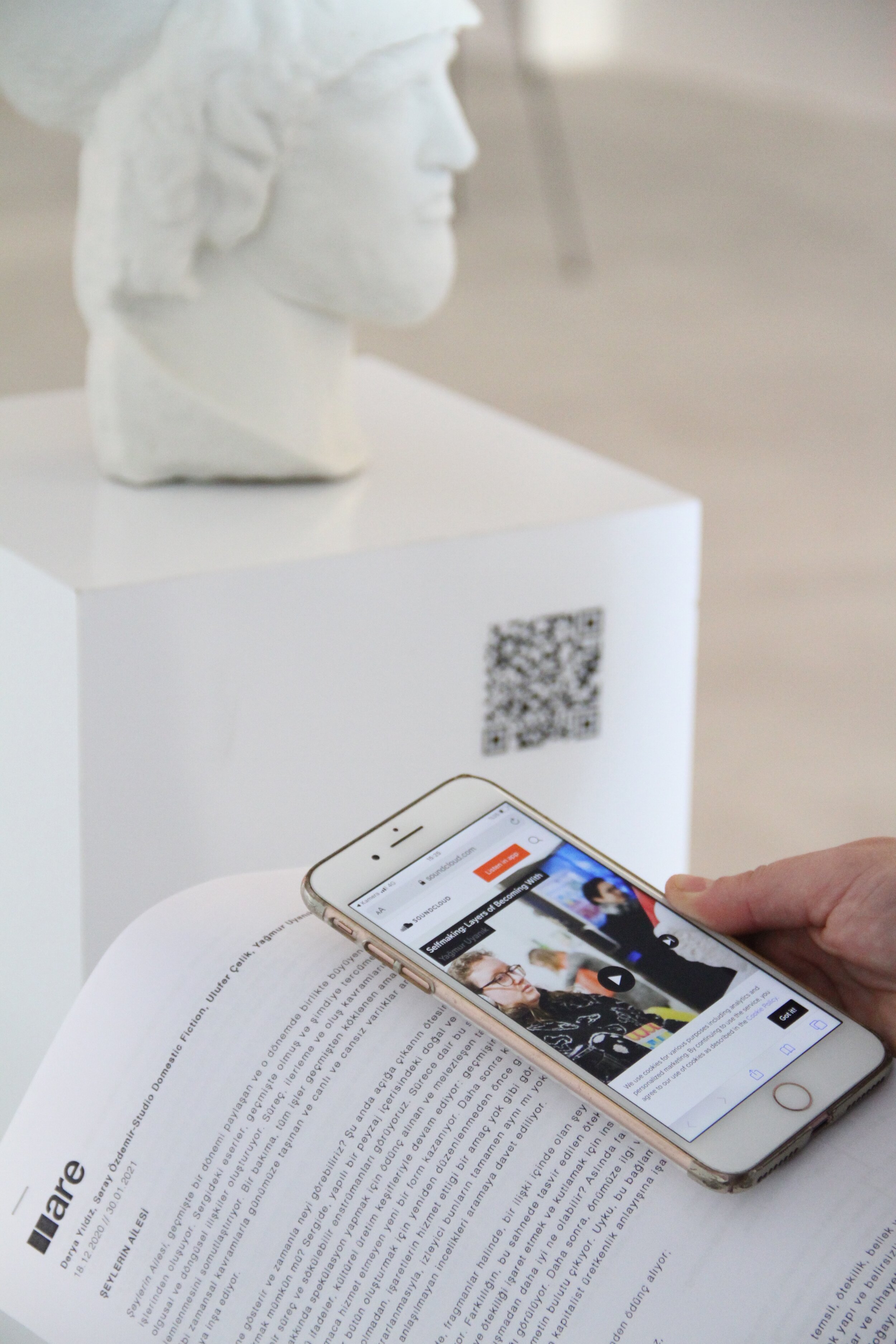
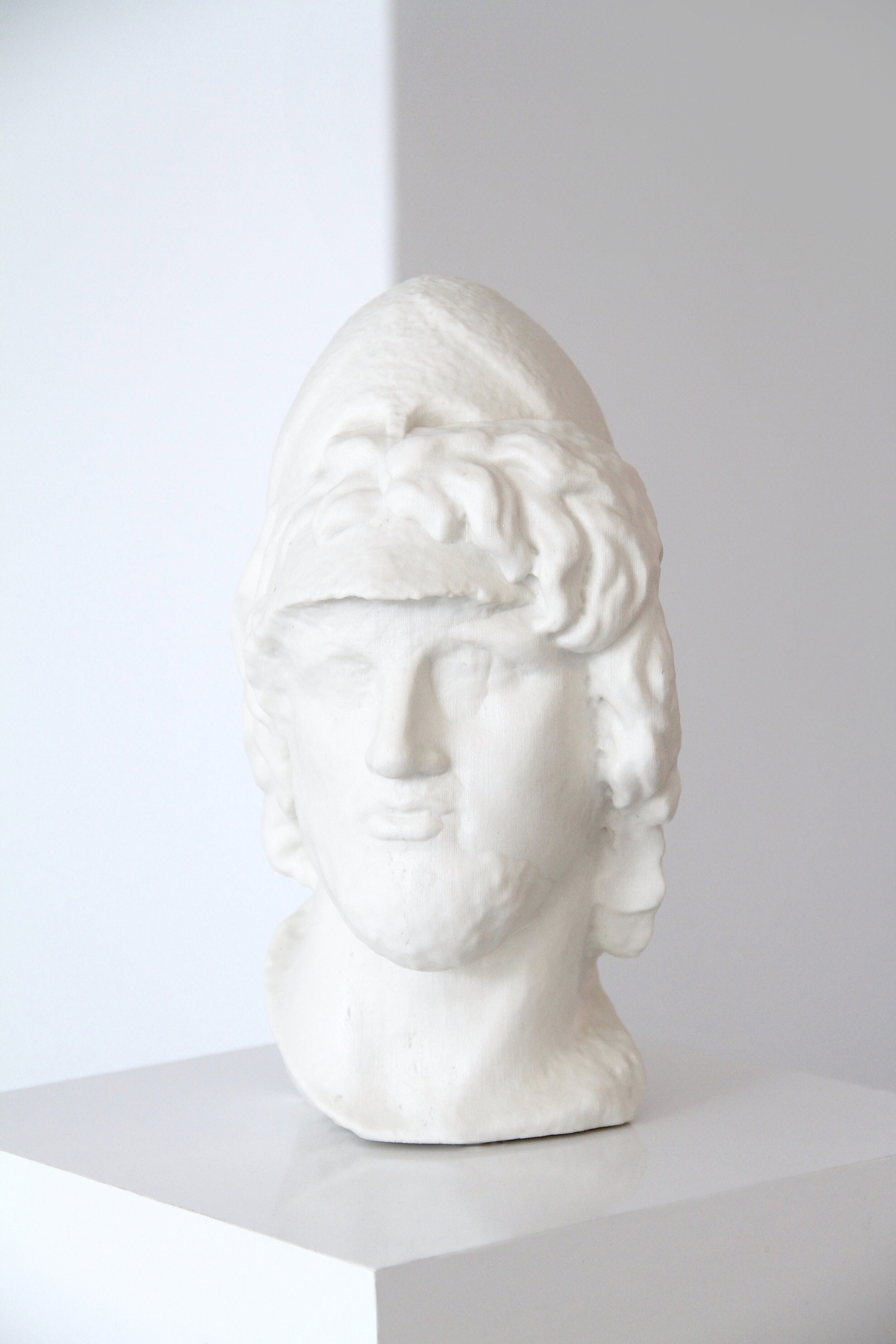
Installation view, photos by Hüseyin Çoban, Are Projects, Antalya, 2020